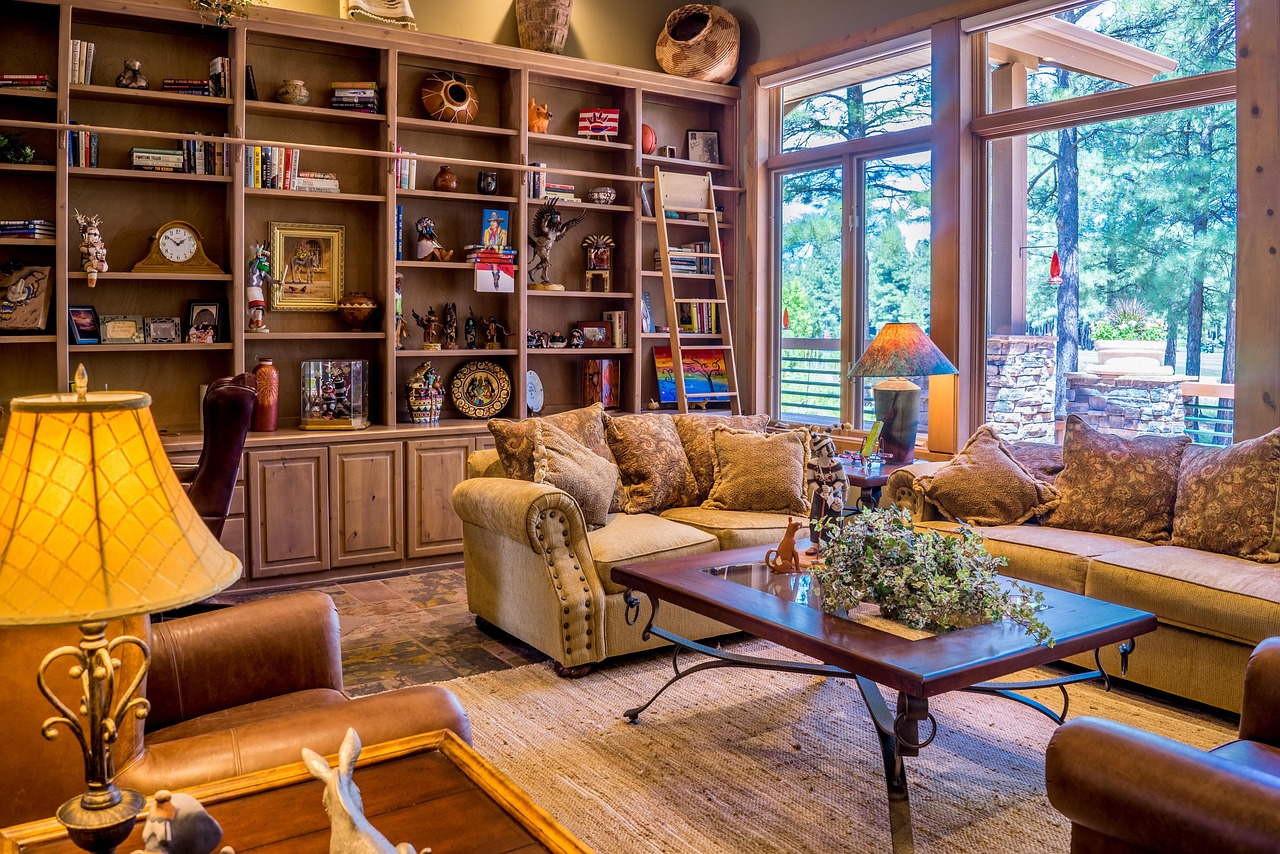
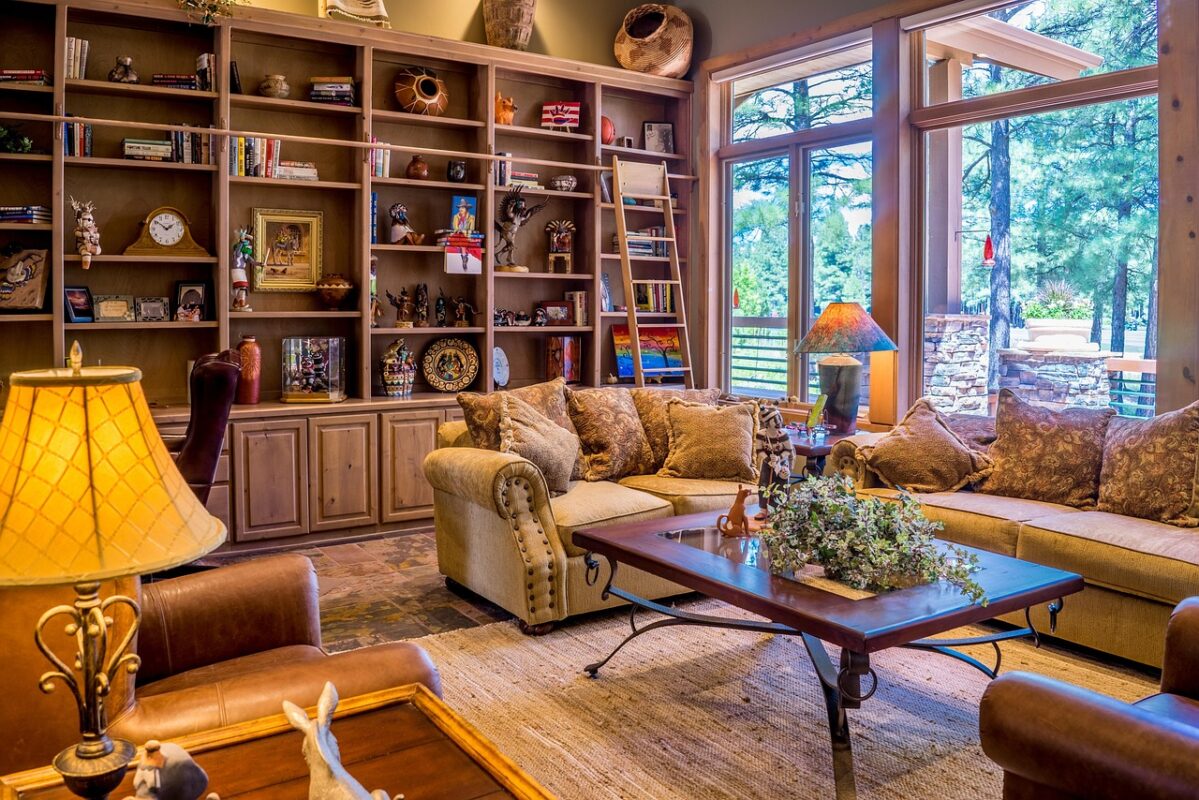
Most returns we deal with are not faults. They are bookcases that would have fitted if somebody had measured the skirting board. An alcove looks like a simple rectangle until you put a piece of furniture in it, at which point radiators, cornices, uneven floors and the swing of a door all start to matter. Ten minutes with a tape measure will save you a courier collection.
Take five measurements, not two
Width and height are the obvious pair. They are also the pair most likely to mislead you, because an alcove is rarely the same width at the top as it is at the bottom.
1. Width at three heights
Measure across the alcove at floor level, at roughly waist height and near the ceiling. In older buildings these three figures can differ by half an inch or more, and plaster tends to bulge near the bottom. Use the smallest of the three as your working width, then subtract another quarter inch so the unit can be slid in rather than forced.
2. Height to the lowest obstruction
Not the ceiling — the lowest thing in the way. That might be a cornice, a picture rail, a boxed-in pipe or the underside of a window sill. Measure to whichever comes first.
3. Depth from the wall to the skirting face
This is the one people miss. A skirting board projects half an inch to an inch into the room, and a bookcase with a solid back panel will sit on top of it rather than against the wall. That tips the whole unit forward slightly, which is both unstable and visible. Either measure to the front face of the skirting, or check whether the unit has a recessed back or a cut-out plinth.
4. Floor level
Put a spirit level, or a phone level app, on the floor across the alcove opening. If the bubble is off centre, a tall unit will lean. It is fixable with packers under the base, but you want to know before it is assembled and loaded with books.
5. The route in
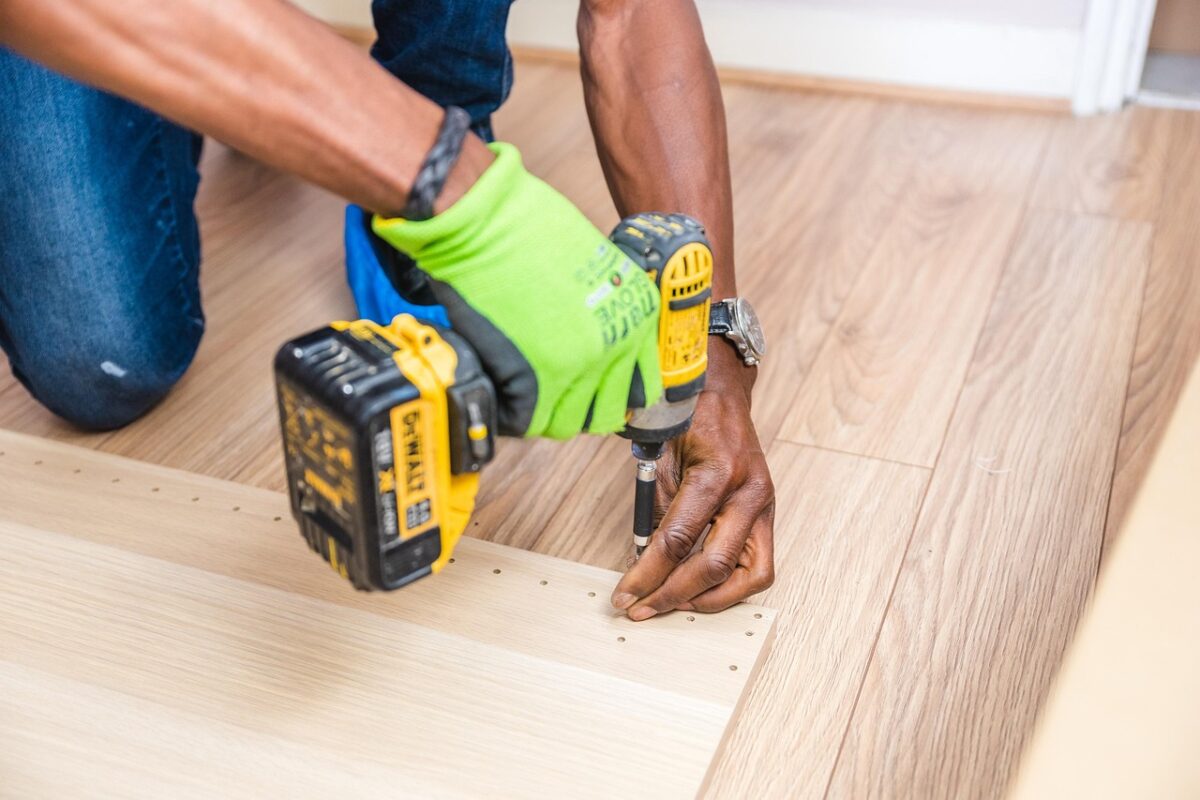
Measure the narrowest point between your front door and the room: the door frame, the turn on a stair, the corner of a hallway. Flat-pack solves most of this, but assembled depth still has to travel.
Reading a product listing against your numbers
Our listings give assembled width, depth and height, and the clear space between shelves. Those are three different things and it is worth being clear which one you are comparing.
- Assembled width includes the thickness of both side panels. Your books do not get that width — the usable shelf is narrower.
- Clear shelf height is what decides whether art books stand upright. A standard hardback needs about 10 inches; large-format art and photography books need 13 to 15.
- Depth of 9 to 11 inches suits paperbacks and most hardbacks. Anything deeper starts to eat into a small room and invites a second row of books, which you will regret.
Fixed shelves or adjustable
Adjustable shelving is more useful than it sounds, but only if the pin holes are closely spaced. Holes every two inches give you real flexibility; holes every six inches mean you get three positions and none of them is the one you want. Where a manufacturer publishes the spacing, we list it.
Anchoring is not optional
Any unit taller than it is wide should be anchored to the wall, and that goes double in a home with children or pets. Most units ship with a strap or bracket. If your walls are lath and plaster rather than stud or masonry, you may need a different fixing than the one in the box — a hardware shop will match it if you can describe the wall.
Loading a tall unit
Heaviest items on the lowest shelves. It sounds obvious and it is routinely ignored, usually because the tall books happen to be the heavy ones and they look better at eye level. They do not look better on the floor.
When an alcove is genuinely awkward
If your alcove is narrower than about 24 inches, a standard bookcase will look wrong even if it fits. A narrow ladder-style unit or a rotating tower often works better than forcing a wide unit into a slot. If the alcove is deep but short, consider a low unit with a surface you can use — a console table does more work in a hallway than a half-empty bookcase.
Take your five numbers with you when you browse. Every listing in our Bookcases & Shelving range carries the assembled dimensions, and if a figure you need is missing, ask us — we would rather answer a question than process a return.