Furniture listings use “wood” loosely. Four quite different materials hide behind the word, and they behave differently when you spill something, move house or want to fix a scratch. Knowing which you are buying tells you how to look after it.
Solid wood
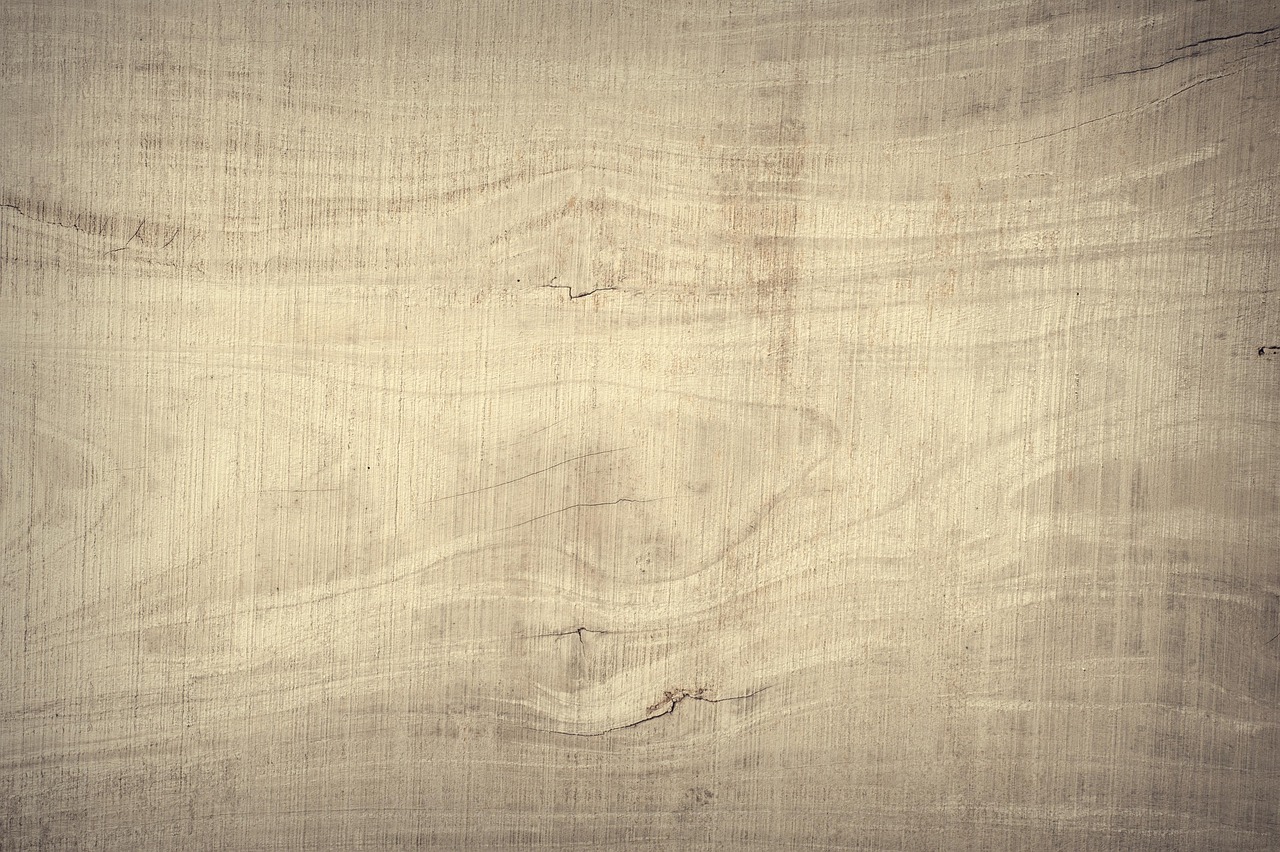
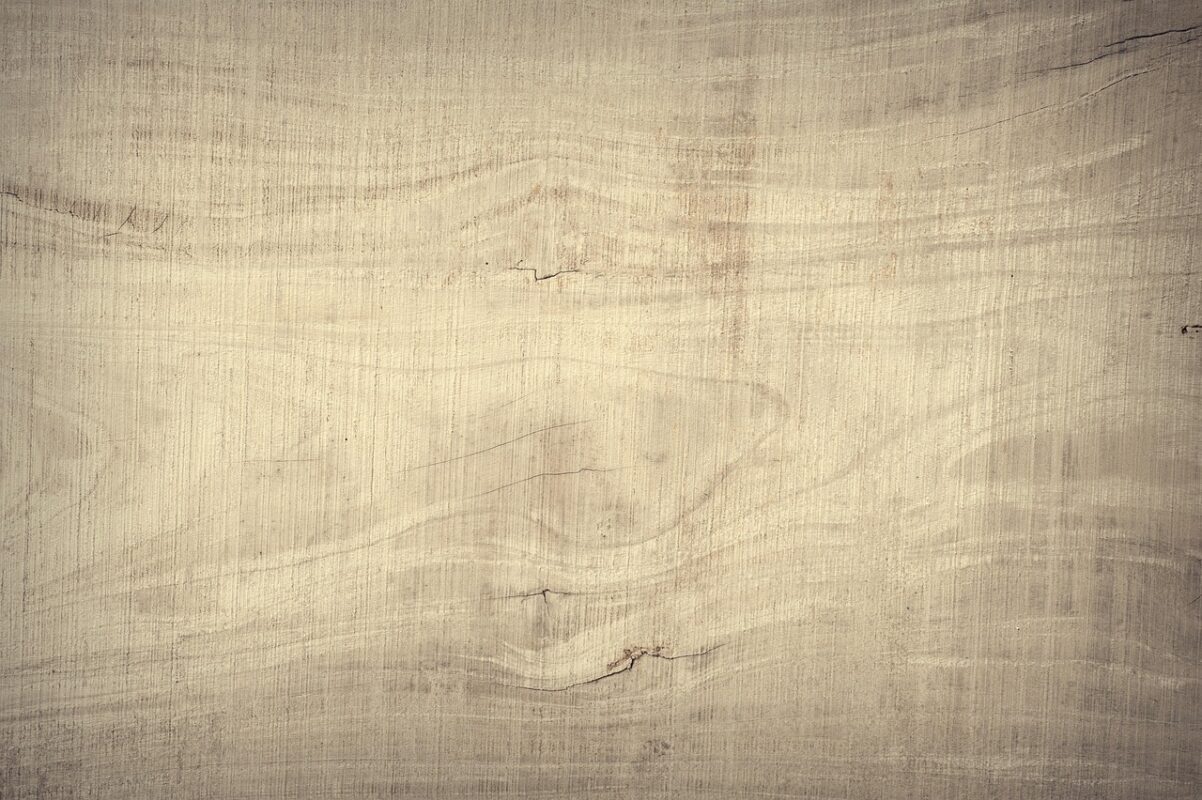
Boards cut from timber, joined edge to edge. Heavy, repairable, and the only one of the four that can be sanded back and refinished repeatedly.
It also moves. Solid wood expands and contracts with humidity across the grain — a wide solid top can change by several millimetres between a damp winter and a dry heated room. Well-made furniture allows for this; a solid top screwed rigidly to a frame at both ends will eventually split.
Care: wipe spills promptly, keep it out of direct sun, and avoid standing it against a radiator. Scratches sand out. Ring marks from hot cups usually respond to careful heat or an oil finish refresh.
Veneer
A thin layer of real wood bonded to a stable core, usually MDF or particleboard. It looks like solid wood because the surface is solid wood — just under a millimetre of it.
Veneer is not a downgrade. It is more dimensionally stable than solid timber and allows grain patterns that would be wasteful or impossible in solid form. What it will not tolerate is aggressive sanding: go through the veneer and you are into the core, and there is no fixing that.
Care: treat as solid wood but never sand hard. Edges and corners are the vulnerable points — that is where veneer lifts if water gets underneath. Re-glue a lifting edge early, before it chips.
MDF and particleboard
Engineered cores. MDF is fine wood fibre compressed with resin; particleboard is coarser chips. Both are flat, stable and cheap, and both are what most affordable furniture is actually made of underneath whatever the surface is.
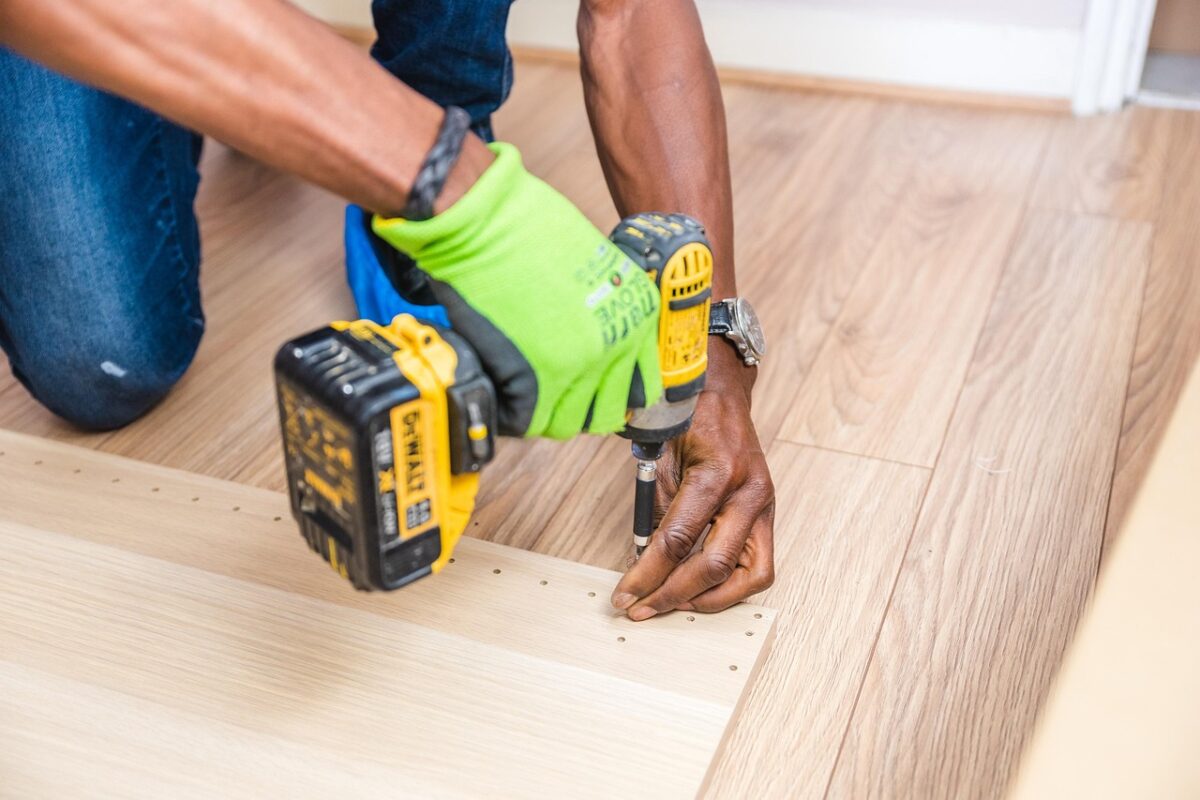
Their weakness is water and repeated screwing. MDF swells irreversibly when wet — a swollen edge does not dry back to shape. And a screw driven into the same hole three times will no longer hold, because there is no grain to grip.
Care: keep water away from unsealed edges, especially the bottom edge of anything standing on a floor that gets mopped. If you dismantle and rebuild a unit, expect the joints to be looser each time.
Melamine and foil
A printed decorative surface bonded to an MDF or particleboard core. Melamine is a hard thermoset surface; foil is a thinner film. This is the most common surface on affordable shelving, and it is genuinely good at what it does — it resists scratching and wipes clean.
What it cannot do is be repaired. A chip in melamine is permanent. Touch-up pens disguise small marks; nothing restores the surface.
Care: wipe with a damp cloth, avoid abrasive cleaners, and check the edge banding. Edge banding lifting at a corner is the beginning of water reaching the core.
Metal frames
Common in industrial-style shelving. Powder-coated steel is durable and the finish is tough, but it chips at welds and corners, and bare steel under a chip will rust in a humid room. A dab of matching paint on a chip takes a minute and prevents that.
What to check on a listing
- Which surface, and which core. “Wood effect” means a printed surface.
- Whether edges are banded on all four sides or only the visible two — unbanded rear edges are where moisture gets in.
- Shelf load rating. Engineered boards sag under sustained load, and a shelf holding books is under sustained load permanently. Shorter spans sag less.
The sag problem, briefly
Any shelf longer than about 32 inches carrying books will bow over time unless it is thick, supported in the middle, or made of solid timber. If a unit offers a centre support, use it. If you have a choice between one long shelf and two short ones, take the two short ones.
Every listing in our catalogue states the material and finish. If a description is not clear enough about what is underneath the surface, ask before ordering.